Thomas
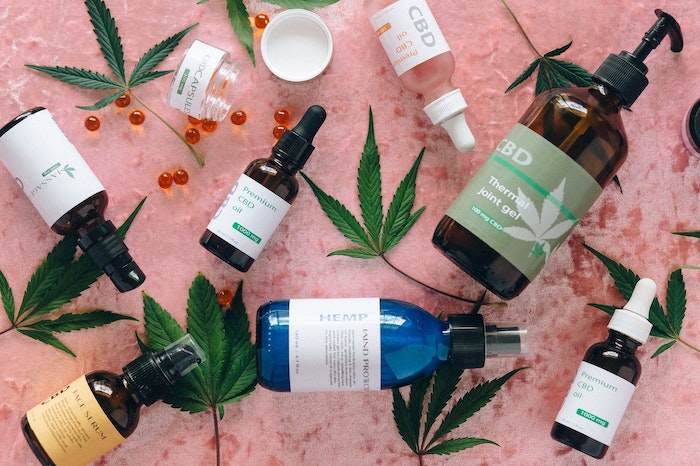
Starting a CBD business can be both exciting and highly rewarding, but success in this competitive market requires careful planning and strategic execution. A well-structured business plan is your roadmap, helping you clarify your vision, attract investors, and navigate the complex regulatory landscape. Whether you’re looking to launch CBD company operations from scratch or expand an existing venture, having a solid plan in place is crucial.
Define Your Business Vision and Mission
Making a clear goal and mission statement is the first thing you need to do when making a CBD business plan. Your vision outlines what you want your CBD company to become in the long term, while your mission explains how you intend to get there. For example, your vision might be to provide premium, lab-tested CBD wellness products, and your mission could be to deliver these products with a focus on transparency, sustainability, and customer education.
Research the Market and Industry Trends
The CBD industry is dynamic, shaped by evolving consumer preferences, health trends, and legal regulations. Do lots of research on the market to find out who your target audience is, who your competitors are, and where the market might be lacking. Understand factors such as CBD product demand, pricing strategies, and emerging niches—like CBD for pets, skincare, or sports recovery. This insight will help you position your company effectively and make informed decisions as you launch CBD company operations.
Develop a Comprehensive Product Line
Your business plan should outline the CBD products you intend to sell. These might include oils, capsules, edibles, topicals, or infused beverages. Be specific about product types, sizes, and formulas. Consider whether you’ll manufacture your own products or work with a private label partner. Detail the sourcing of your hemp, extraction methods, and quality control processes to assure customers and investors of your commitment to safety and compliance.
Plan for Legal and Regulatory Compliance
The CBD sector is heavily regulated, and compliance is non-negotiable. Your business plan should address how you’ll meet federal, state, and local requirements, including licensing, labeling, and testing standards. Clearly outline your approach to ensuring your products are derived from hemp containing less than 0.3% THC, as required under U.S. law. By demonstrating regulatory awareness in your plan, you reduce the risk of legal setbacks.
Outline Marketing and Sales Strategies
Your goods won’t sell themselves, even if they’re great. A strong marketing plan for both online and offline platforms should be part of your business plan. Social media marketing, working with influencers, search engine optimization (SEO), email campaigns, and educational material are some things to think about. Describe how you plan to raise knowledge of your brand, build trust, and turn potential customers into loyal buyers.
Financial Planning and Projections
Lenders and investors will pay close attention to the part about your finances. Provide a detailed budget covering startup costs, operating expenses, and projected revenue. Include forecasts for at least the first three years of business, showing break-even points and profitability expectations. Also, outline funding requirements—whether you plan to self-finance, seek investors, or apply for business loans.
Operational Structure and Team Roles
Describe your organizational structure, including ownership details, management team, and staff roles. Specify who will handle production, compliance, marketing, and customer service. Highlight relevant industry experience and expertise, as this can boost investor confidence.
Continuous Review and Adaptation
The CBD market evolves quickly, so your business plan should be flexible enough to adapt to new trends, technologies, and regulations. Set milestones for regular reviews, updating your plan as your business grows and market conditions change.
Conclusion
A well-crafted business plan is more than just a document—it’s a blueprint for success. It gives you clarity, direction, and measurable goals to help you deal with problems and take advantage of opportunities in the CBD business, which is growing quickly. By combining thorough market research, clear strategies, and a commitment to compliance, you’ll be better positioned to launch CBD company operations with confidence and long-term growth in mind.