Thomas
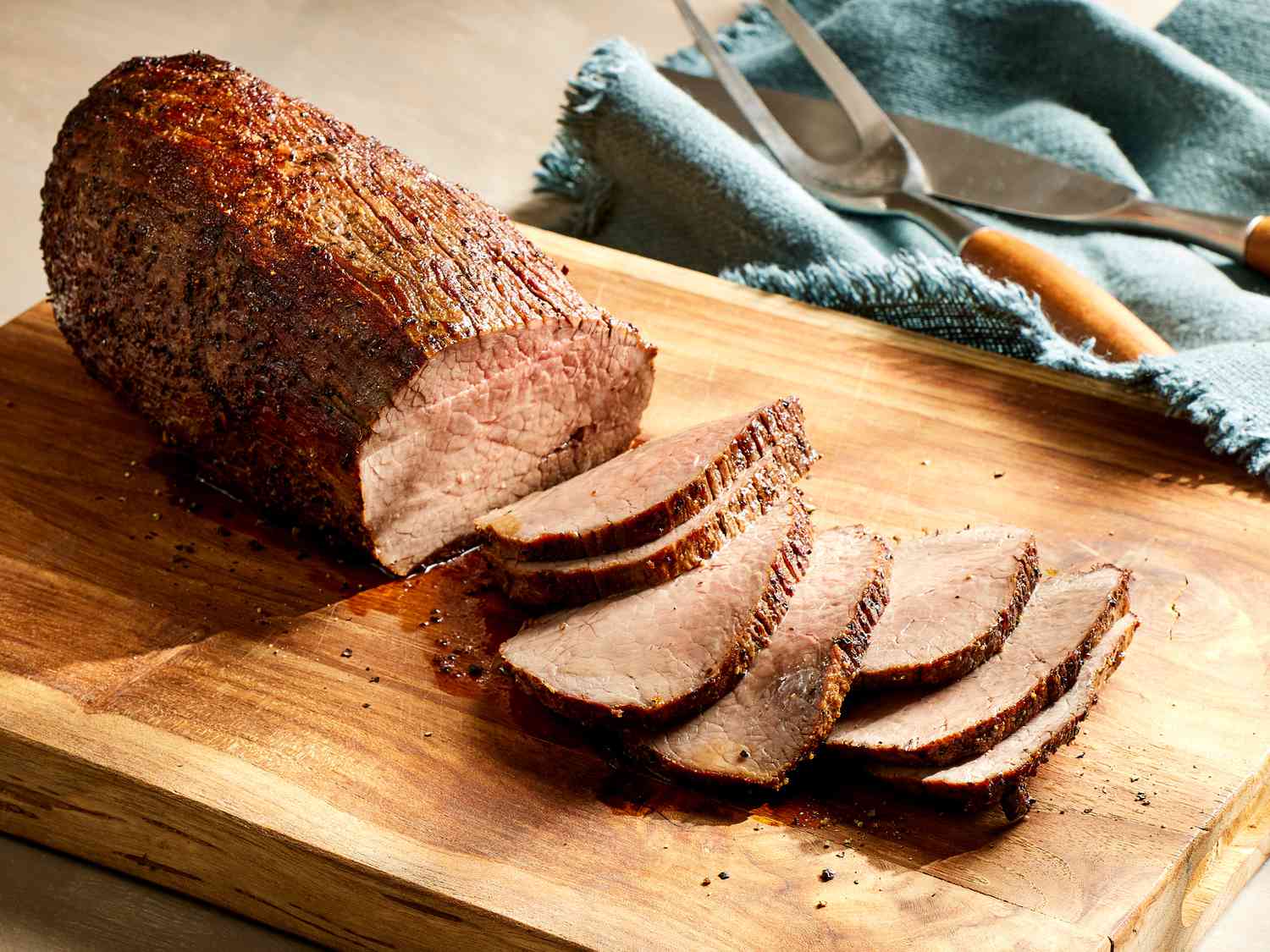
The eye of round, when it comes to lean meat cuts, is the least understood and most underused. Eye of Round is often overlooked in favor of tenderer and more marbled cuts. However, it can make a delicious, protein-rich meal without costing a premium. With the proper preparation and methods of cooking, this lean slice can produce delicious and tender results.
We will look at how to cook it, how it compares with inner round, and why it’s unique. If you are unsure whether or not this cut is for you, take a look at the article. You could discover a favorite beef to use in roasts, burgers, and more.
What Is Eye Of Round?
The “eye of round” is a boneless piece of meat taken from the round primal — the rear leg. It’s a very lean, tenderloin-like cut with very little fat. It’s naturally tougher compared to cuts such as ribeye or Sirloin. But, by using the correct cooking methods, it can be transformed into a tender, flavorful cut.
It is widely used in:
- Roasts (especially to be sliced thin, such as deli meat)
- London Broil
- Stir-fries
- Braising and sous vide cooker.
- Jerky
Eye Of Round Vs Inside Round: What’s The Difference
Understanding the differences between eye of round vs inside round is crucial, especially when you are selecting the best cut for a recipe.
- Eye of Round: This is the smallest eye of round from the round primal. It’s very lean. To cook it, use moist low-temperature techniques like slow cooking at low temperature, roasting on low heat, or sous vide.
- Inner Round (Top Round): The inside round is leaner and slightly more marbled. It is used for roasting, and roasting or braising it enhances its flavor.
While both cuts of beef are lean and economical, the eye of the round is firmer and is best suited for dishes that require thin slicing. The inside round, on the other hand, is more forgiving, even if it is slightly overcooked.
Cooking Methods That Keep The Round Tender In Mind
Due to its leanness, the eye-of-round requires some extra care. It can have a tough texture if it is overcooked. It’s important to use gentle heating and moisture so that the muscle fibers are broken down without the meat becoming dry.
1. Low and slow roasting
Roasting low and slow is one of the most reliable methods to cook eye-of-round. Here’s an easy method:
- Preheat your oven to 225°F.
- Sprinkle the roast with garlic powder and herbs, such as thyme or rosemary, along with salt and pepper.
- All sides should be seared in a skillet with hot oil to create the crust.
- Roast in the Oven until it reaches an internal temperature of 52 °C (125 °F) for medium-rare.
- Rest the meat at least 15-20 minutes prior to slicing.
2. Sous Vide
For lean cuts, such as eye-of-round, sous vide cooking can make a huge difference. Slowly cooking meat in water at a controlled temp (usually 130°F or less for medium-rare) will ensure uniform doneness and the perfect texture.
After 12-24 hours sous vide, sear the roast to form a crust. The result? Meat that melts into your mouth, comparable to much more expensive cuts.
3. Braising
Braising involves first sear meat before cooking it slowly, in liquid like broth or wine. This is the best way to make eye of round more tender and flavourful. Add aromatics such a carrots, onion, garlic or herbs to make a rich meal in one pot.
Eye Of Round Cooking Tips
- Never overcook: This is because the eye of round has a low-fat content and shouldn’t be cooked any more than medium.
- Always shave thin: For maximum tenderness and juiciness, shave the meat very thinly.
- Meat thermometer: A meat thermometer is essential. Remove meat from the heat before reaching your target temperature. This will allow you to carry over cooking.
- Rest the meat: After cooking your roast, allow it to rest on a foil-lined tray.
Final Thoughts
The eye of round might be lean, but when prepared properly, it offers great flavor and value. The eye of a round can be a kitchen staple if it’s cooked properly.
In comparing eyes of round with inside rounds, remember that the eye of a round is ideal for precise, thinly cut applications, while the inside rounds offer a bit of marbling and flexibility.
Do not pass over the eye round next time at the butcher counter. With some care, this could be the new staple for home-cooked, tasty meals.