Thomas
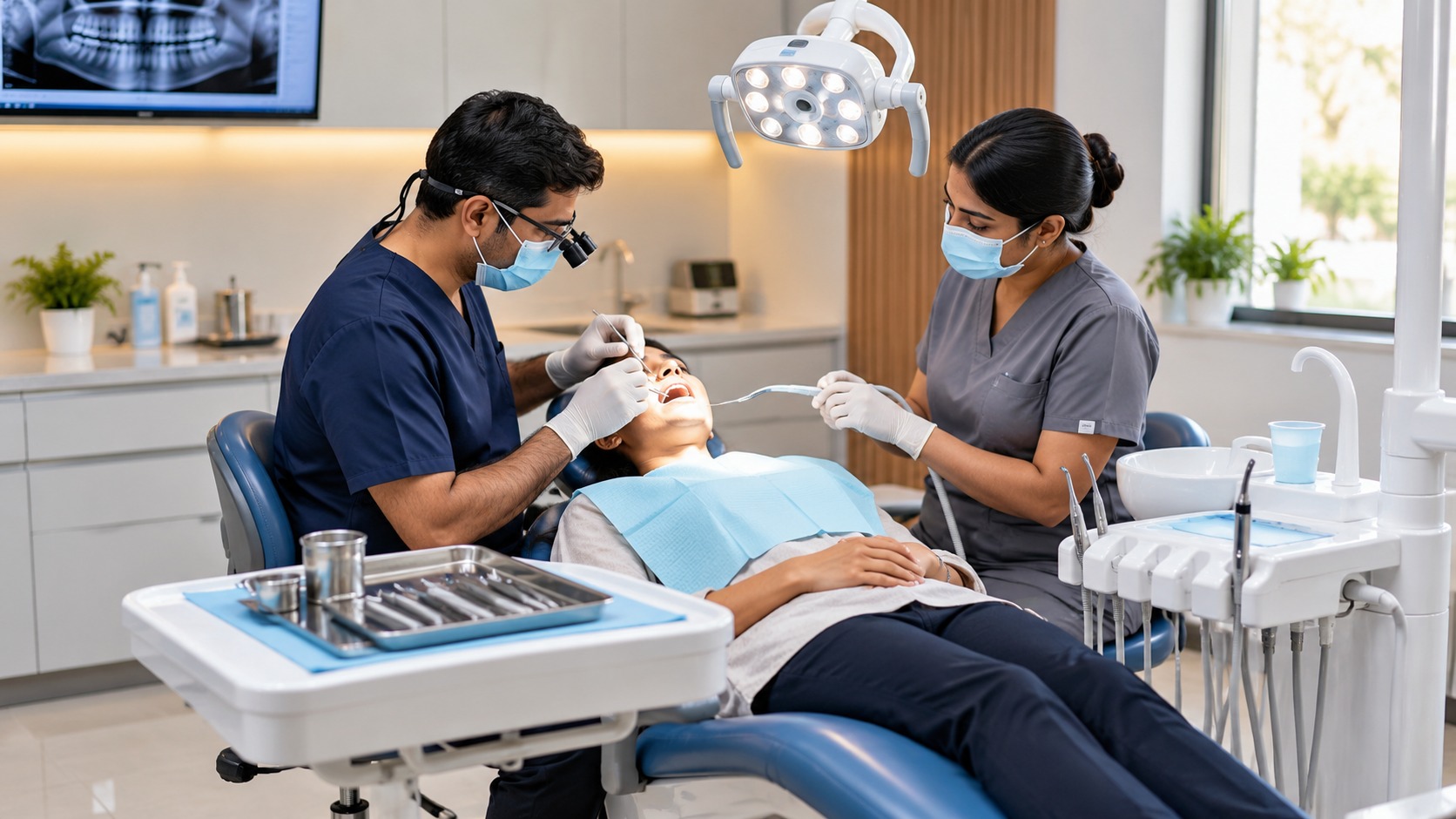
Dentistry requires precision, concentration, and physical endurance. Dentists often spend several hours performing detailed procedures that involve leaning forward, maintaining fixed positions, and making repetitive hand movements. Although these activities are essential for patient care, they can gradually contribute to neck stiffness, back discomfort, and muscle fatigue. A poorly designed workspace can make these challenges worse, affecting both professional comfort and clinical efficiency. Ergonomic dental equipment offers practical solutions by supporting natural body positioning, reducing unnecessary movements, and creating a more comfortable working environment.
Creating a Dental Workspace That Supports Natural Movement
A well-organized dental operatory allows practitioners to work efficiently without constantly stretching, twisting, or adjusting their posture. The positioning of dental chairs, instruments, delivery systems, and storage units directly influences how comfortably dentists can perform procedures.
Modern equipment manufacturers such as DCI Edge focus on dental operatory solutions that combine functionality, accessibility, and ergonomic considerations. Thoughtfully designed dental chairs and equipment configurations can help practitioners maintain comfortable working positions while keeping essential tools within easy reach.
An effective workspace should accommodate different treatment procedures and allow dentists to move naturally between tasks. Adjustable equipment is particularly valuable because practitioners have different physical requirements and working preferences.
Adjustable Dental Chairs for Better Working Positions
The dental chair is one of the most important components of an ergonomic operatory. Its height, positioning capabilities, and accessibility influence how dentists approach patients during examinations and treatments.
An adjustable dental chair allows practitioners to position patients at a suitable working height, reducing the need for excessive bending or leaning. Proper patient positioning also improves visibility and access to different areas of the mouth.
Chairs with smooth adjustment mechanisms make it easier to transition between procedures without interrupting workflow. A compact chair design can provide additional space for dentists and assistants to position themselves comfortably around the patient.
Selecting equipment that accommodates different treatment requirements helps create a more adaptable clinical environment.
Ergonomic Operator Stools and Spinal Support
Dentists frequently perform procedures while seated, making operator stools essential for maintaining healthy posture. Traditional seating arrangements may encourage slouching or place unnecessary pressure on the lower back.
Ergonomic dental stools are designed to support a balanced sitting position while allowing practitioners to move freely. Adjustable seat height, lumbar support, and appropriate seat angles can help reduce physical strain during extended appointments.
A properly adjusted stool should allow dentists to keep their feet supported, shoulders relaxed, and spine comfortably aligned. Maintaining an appropriate distance from the patient also helps prevent excessive forward leaning.
Regular posture adjustments and brief movement breaks remain important, even when using ergonomically designed seating.
Improving Instrument Accessibility and Workflow Efficiency
Repeatedly reaching for instruments can create unnecessary physical stress throughout the working day. When equipment is positioned too far away, dentists may twist their upper bodies or extend their arms beyond comfortable limits.
Ergonomic delivery systems help address this challenge by keeping frequently used instruments within convenient reach. Flexible positioning options allow practitioners to organize equipment according to their preferred working methods.
Dental assistants also benefit from accessible instrument arrangements because efficient positioning supports smoother coordination during procedures.
A carefully planned instrument layout can reduce interruptions, limit unnecessary movements, and help the dental team maintain a consistent working rhythm.
Better Visibility Through Lighting and Magnification
Poor visibility often causes dentists to lean closer to patients or hold uncomfortable positions to examine small treatment areas. Over time, these habits may contribute to neck and shoulder discomfort.
Proper dental lighting helps illuminate the treatment area without requiring frequent posture adjustments. Adjustable operating lights allow practitioners to direct illumination where it is needed while minimizing shadows.
Magnification tools, including dental loupes, can also support more comfortable working distances when correctly fitted. Appropriate magnification and working distance encourage practitioners to maintain a more upright posture.
Combining effective lighting with suitable visual equipment supports precision while reducing the temptation to adopt awkward positions.
Organizing Dental Cabinetry for Comfortable Access
Dental cabinetry influences workflow more than many practitioners realize. Storage units that are poorly positioned can require frequent bending, turning, or reaching during treatment.
Ergonomic cabinetry arrangements prioritize accessibility and efficient organization. Frequently used materials should remain within convenient reach, while less commonly needed supplies can be stored separately.
Cabinets with practical drawer configurations and accessible work surfaces can help dental teams retrieve supplies without disrupting procedures.
Thoughtful storage planning also reduces clutter, creating a cleaner and more organized treatment environment that supports daily productivity.
Conclusion
Improving dentist posture requires more than choosing a comfortable chair. It involves creating a complete working environment where equipment placement, seating, lighting, and storage support natural movement. Ergonomic dental solutions can reduce unnecessary physical strain while improving accessibility and clinical workflow.
By investing in adjustable dental chairs, supportive operator stools, accessible delivery systems, and thoughtfully arranged cabinetry, dental practices can create healthier working conditions. Combined with proper posture habits and regular movement, these improvements help practitioners remain comfortable, focused, and productive throughout demanding clinical schedules.