Thomas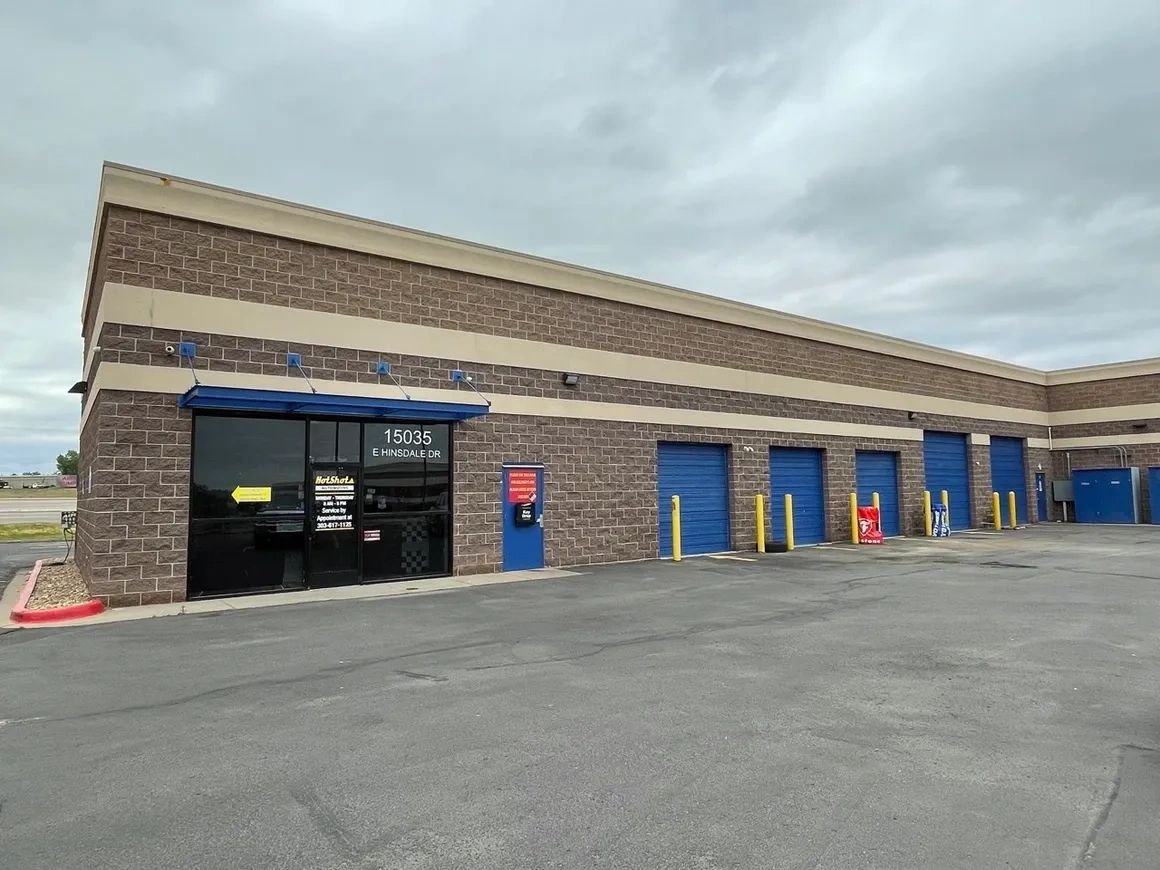
Owning a vehicle in Aurora comes with responsibilities that extend beyond filling the tank and scheduling an occasional oil change. Colorado’s changing seasons, temperature swings, winter weather, and everyday driving conditions can all affect how a vehicle performs. A consistent maintenance routine can help drivers reduce unexpected problems, improve safety, and potentially extend the useful life of their cars.
For local drivers, maintenance is especially important because different times of the year can place different demands on a vehicle. Visiting auto shops in Aurora, Colorado, for inspections, routine servicing, and necessary repairs can help identify developing issues before they turn into more complicated problems. Whether a vehicle is used for commuting, family transportation, or frequent trips around the Denver metro area, preventive care can make everyday driving more dependable.
Keep Up With Oil And Fluid Maintenance
Engine oil plays an essential role in protecting moving engine components from friction and excessive wear. Drivers should follow the oil change interval recommended for their particular vehicle rather than relying on a single schedule for every car.
Other fluids deserve attention as well. Coolant helps regulate engine temperature, while brake fluid supports proper braking performance. In accordance with manufacturer recommendations, transmission fluid, windscreen washer fluid, and power steering fluid should also be checked, if relevant.
Leaks underneath a parked vehicle should not automatically be ignored. A small leak can sometimes be an early indication of a larger mechanical issue.
Pay Attention To Tires Throughout The Year
Tires are particularly important in Colorado because road and weather conditions can change significantly throughout the year. Proper tire pressure supports predictable handling, fuel efficiency, and even tread wear.
Tire pressure can drop in cold weather, so it’s especially important to do routine inspections in the fall and winter. Drivers should also inspect tread depth and look for cracks, bulges, punctures, or uneven wear.
Tire rotation can help distribute wear more evenly. Wheel alignment may also need attention if the vehicle begins pulling to one side or if the tires show unusual wear patterns.
Prepare The Battery For Temperature Changes
A vehicle battery can become less reliable as it ages, and temperature extremes may expose an already weakened battery. Few situations are more inconvenient than discovering a car will not start on a cold Aurora morning.
Drivers can have the battery tested periodically, particularly before winter. Battery terminals should also be checked for corrosion and secure connections. Slow engine cranking, dim lights, or repeated starting difficulties can indicate that the battery or charging system needs professional attention.
Do Not Ignore The Braking System
Reliable brakes are essential regardless of the season. Brake pads, rotors, fluid, and other components gradually wear and should be inspected at appropriate intervals.
Squeaking, grinding, vibration, a soft brake pedal, and a longer stopping distance are some warning indicators. These symptoms deserve prompt attention rather than waiting until the next scheduled service.
Drivers should remember that brake wear varies depending on driving habits. Frequent stop-and-go traffic, heavier loads, and driving conditions can influence how quickly components wear.
Check Heating, Cooling, And Visibility Systems
Aurora drivers rely on both heating and air conditioning at different points of the year. The climate control system contributes to comfort, but it also supports visibility by helping clear fog or frost from windows.
Windshield wipers are another relatively inexpensive component that can make a noticeable difference during rain and snow. Wiper blades that streak, skip, or leave sections of the windshield unclear should be replaced.
Exterior lights should be inspected regularly as well. Turn signals, brake lights, headlights, and hazard lights all assist drivers in seeing and interacting with other road users.
Inspect Belts, Hoses, And Filters
Belts and hoses often receive less attention than tires or oil, yet they can be important to reliable vehicle operation. Heat, age, and normal use may eventually cause rubber components to crack or deteriorate.
Engine and cabin air filters also require periodic replacement. While the cabin filter aids in controlling dust and other particles entering the passenger compartment, a clean engine air filter promotes appropriate airflow.
Maintenance intervals vary by vehicle, so the owner’s manual remains one of the best references for determining when these components should be inspected or replaced.
Build Maintenance Around Aurora’s Seasons
A practical maintenance plan can follow the changing Colorado seasons. Before winter, drivers can focus on the battery, tires, brakes, wipers, heater, and coolant. Spring provides an opportunity to check for wear that developed during colder months. Summer preparation can include cooling system and air conditioning inspections.
Drivers planning mountain trips should also consider the additional demands that elevation changes, steep grades, and longer drives can place on a vehicle. Checking tires, brakes, fluids, and essential mechanical systems before departure can provide added confidence.
Make Preventive Care A Regular Habit
Vehicle maintenance does not have to become complicated. Following manufacturer recommendations, paying attention to warning signs, and arranging routine inspections can prevent small concerns from being overlooked.
For Aurora drivers, the goal is not simply to react when something breaks. Consistent care helps prepare a vehicle for commuting, seasonal weather, longer Colorado drives, and everyday errands. By treating maintenance as an ongoing responsibility, drivers can support safer operation, more predictable performance, and a vehicle that is better prepared for the changing conditions encountered throughout the year.