Thomas
Energy independence is becoming an increasingly practical goal for homeowners, rural property owners, travellers, and businesses that want greater control over how electricity is generated and used. Advances in solar generation, battery storage, energy management, and efficient appliances have made independent electricity systems far more capable than earlier setups.
Modern offgrid power solutions are no longer limited to basic lighting or occasional electricity use. A carefully designed system can support refrigerators, communication equipment, water pumps, entertainment devices, tools, and many other everyday electrical needs. The key is creating a system that balances generation, storage, consumption, and backup capacity.
Understanding Energy Independence
Energy independence generally means reducing or eliminating reliance on a traditional electricity network. Instead of receiving all electricity from the grid, a property generates and stores its own energy.
This approach can be particularly valuable for rural homes, cabins, farms, workshops, and properties where connecting to the electricity network may be difficult or impractical. It can also appeal to people who simply want greater control over their energy supply.
However, independence does not mean installing a few solar panels and expecting unlimited electricity. Successful systems begin with an understanding of daily energy consumption. Heating, cooling, refrigeration, lighting, water pumping, cooking, and electronic devices can all contribute to overall demand.
Solar Generation As The Foundation
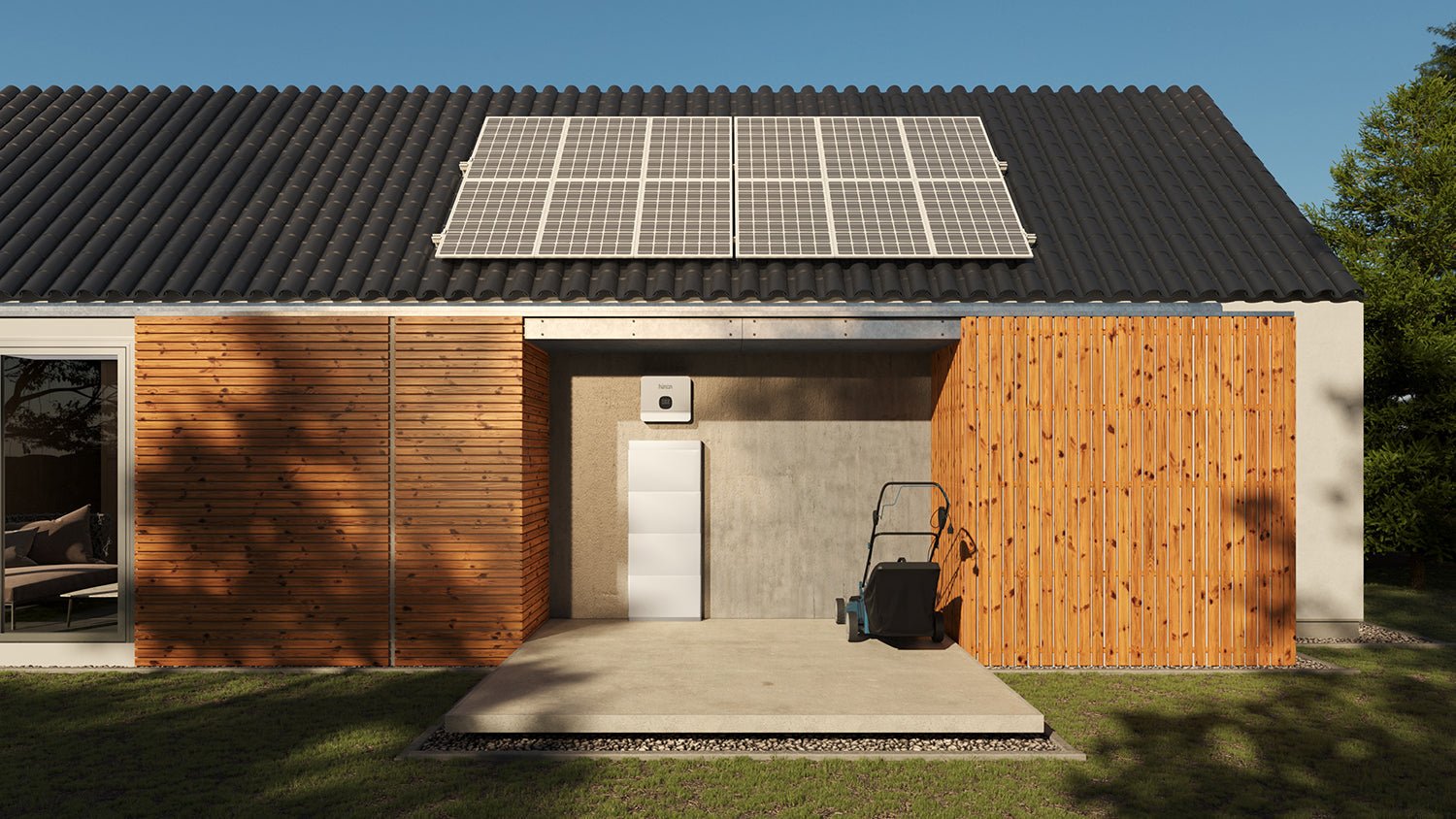
Solar panels are commonly used as the primary generation source in independent power systems. During daylight hours, photovoltaic panels convert sunlight into electricity that can be used immediately or directed toward battery storage.
System design matters considerably. The number and capacity of panels should reflect expected electricity consumption, available installation space, local sunlight conditions, seasonal variation, and battery capacity.
Simply installing the largest possible solar array is not always necessary. A better approach is to understand when electricity is consumed and then design generation around realistic requirements.
Panel orientation and exposure are also important. Trees, buildings, and other obstacles can create shading that reduces generation. Careful planning helps ensure that the available solar resource is used effectively throughout the year.
Battery Storage Changes The Equation
When sunshine is present, solar panels can provide energy, but homes often need power in the evenings, overnight, and during bad weather. This is where battery storage becomes essential.
Modern batteries allow surplus electricity generated during productive periods to be stored for later use. Instead of immediately losing unused generation, the system can retain energy until demand increases.
Battery capacity should be selected carefully. An undersized battery may leave a household short of electricity overnight or during cloudy weather. Excessive capacity, meanwhile, may add unnecessary cost if the stored energy is rarely required.
Quality off-grid power solutions therefore consider both average consumption and periods of unusually high demand. Designing some flexibility into the system can make everyday energy management much easier.
Smarter Energy Use Makes Independence Easier
Producing more electricity is only one side of the equation. Reducing unnecessary consumption can make an independent power system considerably more practical.
Energy-efficient appliances, LED lighting, improved insulation, smart controls, and thoughtful daily habits can lower overall demand. Even relatively small changes can reduce the amount of generation and battery storage required.
Timing also matters. High consumption activities can sometimes be scheduled during periods of strong solar generation. Washing clothes, charging equipment, operating certain pumps, or completing workshop tasks during daylight hours can allow electricity to be used directly rather than drawing heavily from batteries later.
Modern energy monitoring equipment can provide valuable insight into these patterns. Users can see how much electricity is being generated, how much is being consumed, and how much battery capacity remains available.
Planning For Changing Conditions
An independent energy system should be designed for more than an ideal sunny day. Weather conditions change, household requirements evolve, and seasonal sunlight levels can vary significantly.
A household may also purchase additional appliances or equipment several years after the original installation. Designing a system with future expansion in mind can prevent unnecessary replacement of major components.
Backup generation may also form part of a broader energy strategy. Depending on the property and system design, an additional generation source can provide extra resilience during prolonged periods of limited solar production or unusually high electricity demand.
Different Properties Need Different Systems
There is no universal design that works equally well for every property. A small weekend cabin has very different electricity requirements from a permanent rural residence. Similarly, a mobile setup for travel requires different equipment from a fixed installation supporting a workshop or farm.
Before selecting off-grid power solutions, users should calculate expected consumption, identify essential appliances, consider peak loads, and think about how their electricity requirements may change.
This planning stage is especially important because individual components must work together. Solar panels, batteries, inverters, chargers, controllers, monitoring equipment, and backup systems should be appropriately matched.
Building A More Independent Energy Future
Modern technology has made energy independence more achievable for properties located beyond conventional electricity infrastructure. Solar generation provides renewable electricity, batteries make that electricity available beyond daylight hours, and intelligent monitoring helps users manage consumption more effectively.
The strongest systems are not necessarily those with the most equipment. They are systems designed around realistic needs, environmental conditions, efficiency, and future demand.
With thoughtful planning and appropriately selected technology, off-grid power solutions can provide a practical foundation for reliable electricity and greater control over everyday energy use. For remote homes, cabins, rural properties, and other independent lifestyles, that combination of flexibility and self-sufficiency can make living beyond the traditional electricity network far more achievable.